Category Archives: Uncategorized

Read/Listen/Watch List for Week of June 28, 2025

Read

Breaking Down Iran’s Oil Exports by Country (Visual Capitalist)

After Lahaina burned, an experiment in housing the most vulnerable (Washington Post)

Costco is changing store hours across NC. Who gets early shopping access? (News & Observer)

The 50 best airports in America, ranked (Washington Post)

After their teens died, this couple made a phone booth for anyone coping with loss (Washington Post)

Aviation boom in Triad fuels community college expansion to meet workforce demand (Triad Business Journal)

HUD to move to Virginia as Trump seeks to ‘right-size’ federal presence in D.C. (Washington Post)

Triad mayors discuss housing options as area sees unprecedented growth (Fox8 WGHP)

Greensboro planning commission rejects high-density apartment project amid neighborhood concerns (Triad Business Journal $)

Triad universities grapple with $3.7M in frozen research grants amid policy uncertainty (Triad Business Journal $)

If Trump dismantles FEMA, could the state and non-profits handle NC disaster relief? (The News & Observer)

Stewardship isn’t what it used to be in N.C. (Longleaf Politics)

With Housing Affordability, A Community Thrives (WilmingtonBiz)

Listen

Living Colour: Tiny Desk Concert (NPR)

Get ready for a few months in the Southern summer broiler (WFAE)

SouthBound #197: Georgann Eubanks (WFAE)

Watch

I-Banker by Day, Pro Wrestler by Night: The Real-Life Heel Turn of J.P. Lehman (Pablo Torre Finds Out)

Inside the AI Tool Used by DOGE to Review Veterans Affairs Contracts (ProPublica Youtube)

Reading/Listen/Watch List Week of June 21, 2025

Read

The most Dad thing you did in the last year (Ryan Nanni’s Bluesky Social thread)

‘The essential ingredient is openness’: Curtis Sittenfeld on the deep joy of midlife friendship (The Guardian)

Durham grants $1.5M loan to housing authority in ‘crisis.’ How it will be used (The News & Observer)

Western North Carolina’s 60+ wineries have largely reopened but are facing fewer visitors and steep repair bills; ‘We’re here – come visit’ (The Charlotte Ledger)

Recovery Failure: Why we struggle to rebuild for the next storm (NPR)

Landlords owed thousands, as Housing Authority continues to have trouble paying tenants rent (ABC11)

Apartment developer sees muted impact from tariffs so far (Multifamily Dive)

Housing is unaffordable – does anyone care enough to fix it? (The Carolina Journal)

How the potential end of Energy Star could affect apartment operators (Multifamily Dive)

Mapped: The Most and Least Expensive U.S. State (Visual Capitalist)

U.S. must face claims over pandemic ban on residential evictions (Reuters)

What if federal hurricane relief dries up in Western North Carolina? Here are some lessons from history. (North Carolina Rabbit Hole)

Why the costs of child care shouldn’t be borne alone (EdNC)

Listen

From Pandemic Pivots to Political Power – The New Blueprint for Apartment Associations (The Associated)

Watch

Social Media, Connection & Career Growth in Multifamily with Alexis, Bill, and Marcie (Be Amazing Podcast/YouTube)

More Than Housing: The People Powering Multifamily Guest Jon, Chiccorra, & Bryan (Be Amazing Podcast/YouTube)

Rescue Brew contest transforms animals into NoDa Brewing mascots for a good cause (WCNC)

New Place for the New Year

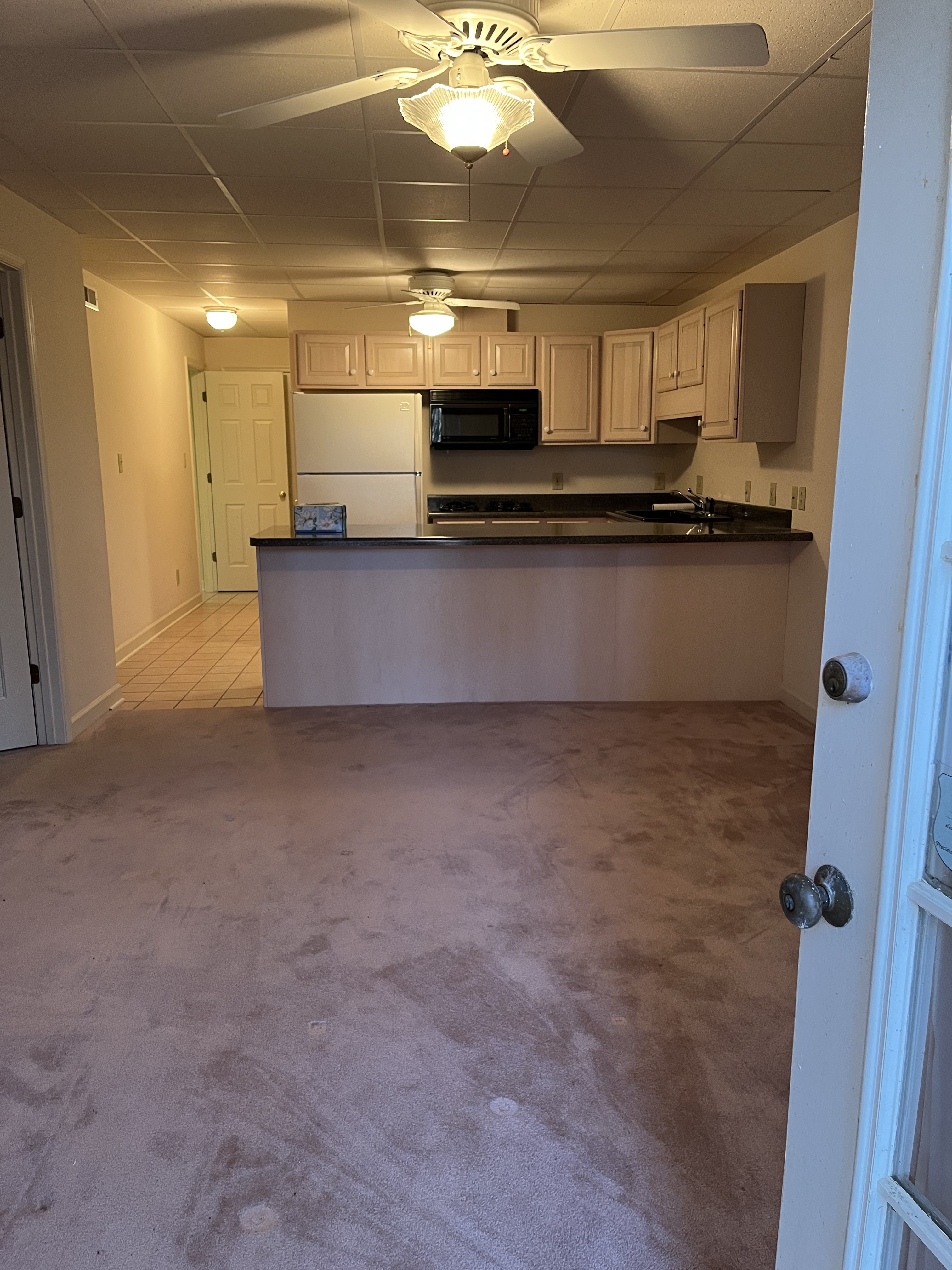
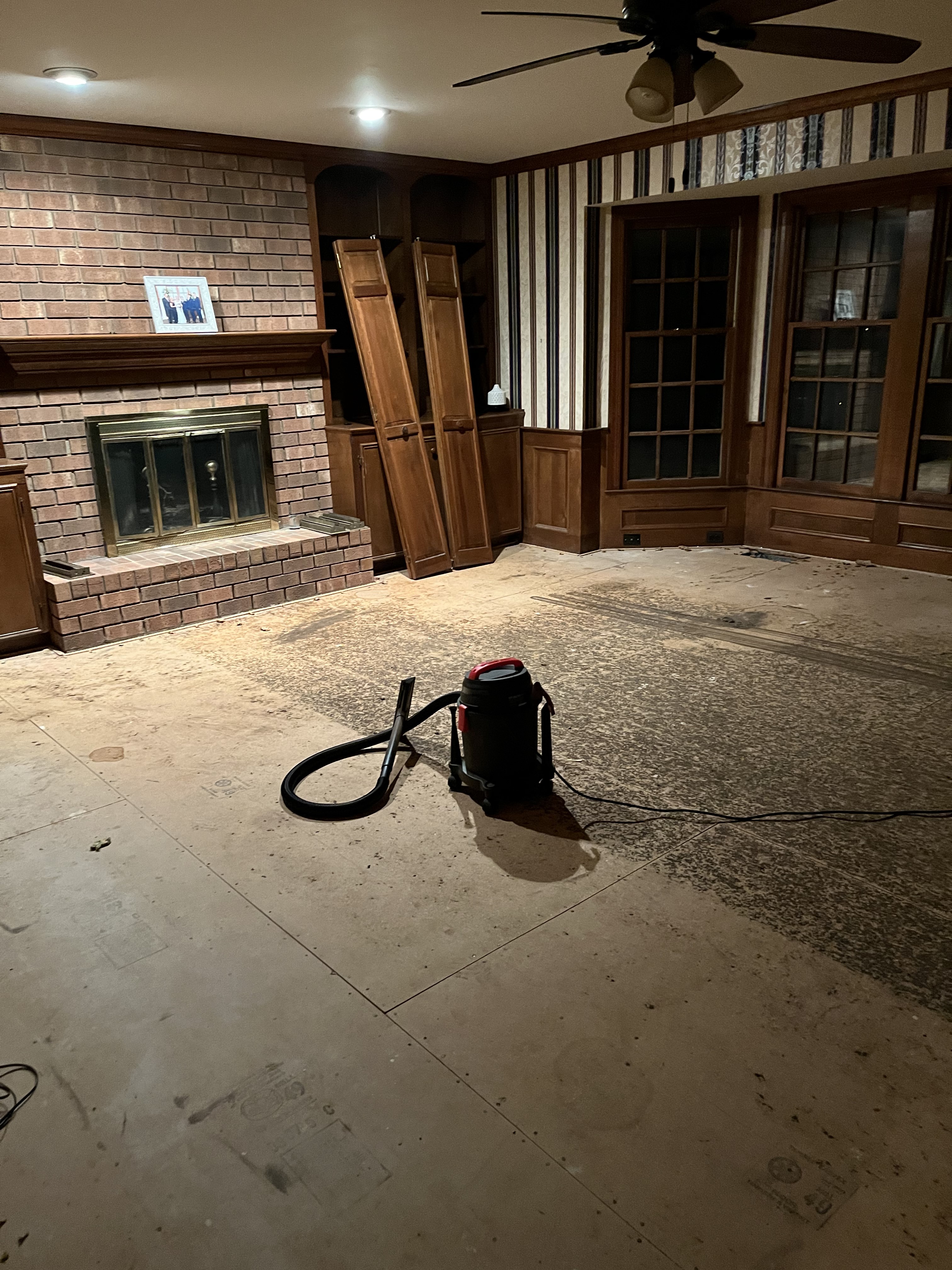
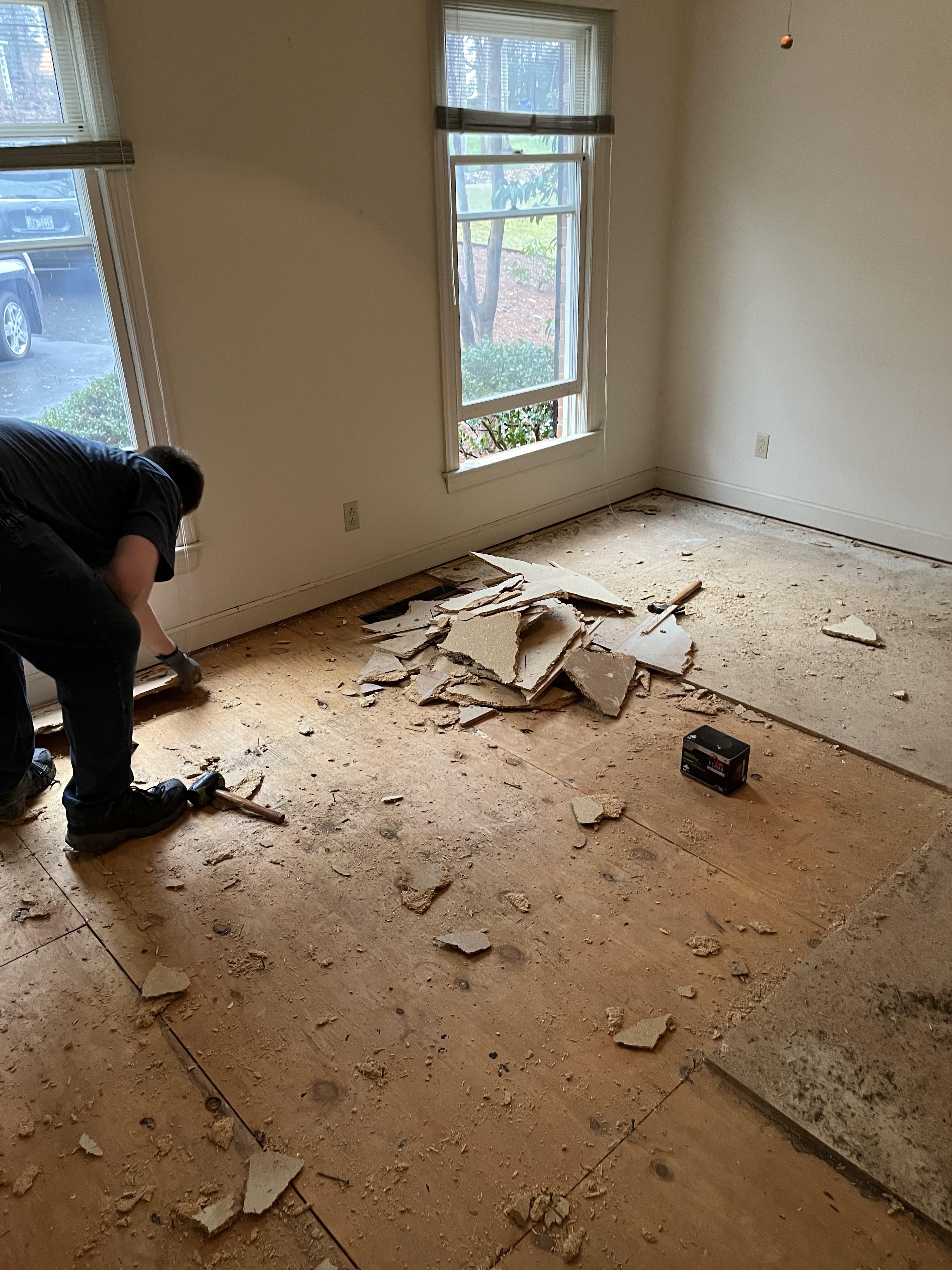
Our family is ringing in 2023 by making a significant change: we’ve bought a new (to us) house a few miles away from where we currently live. We did so to get more space so that my mom can move in with us. Among the many things that attracted us to this particular house is that it already has an apartment built out in the basement so Mom will have her own space, but we’ll still all be under one roof.

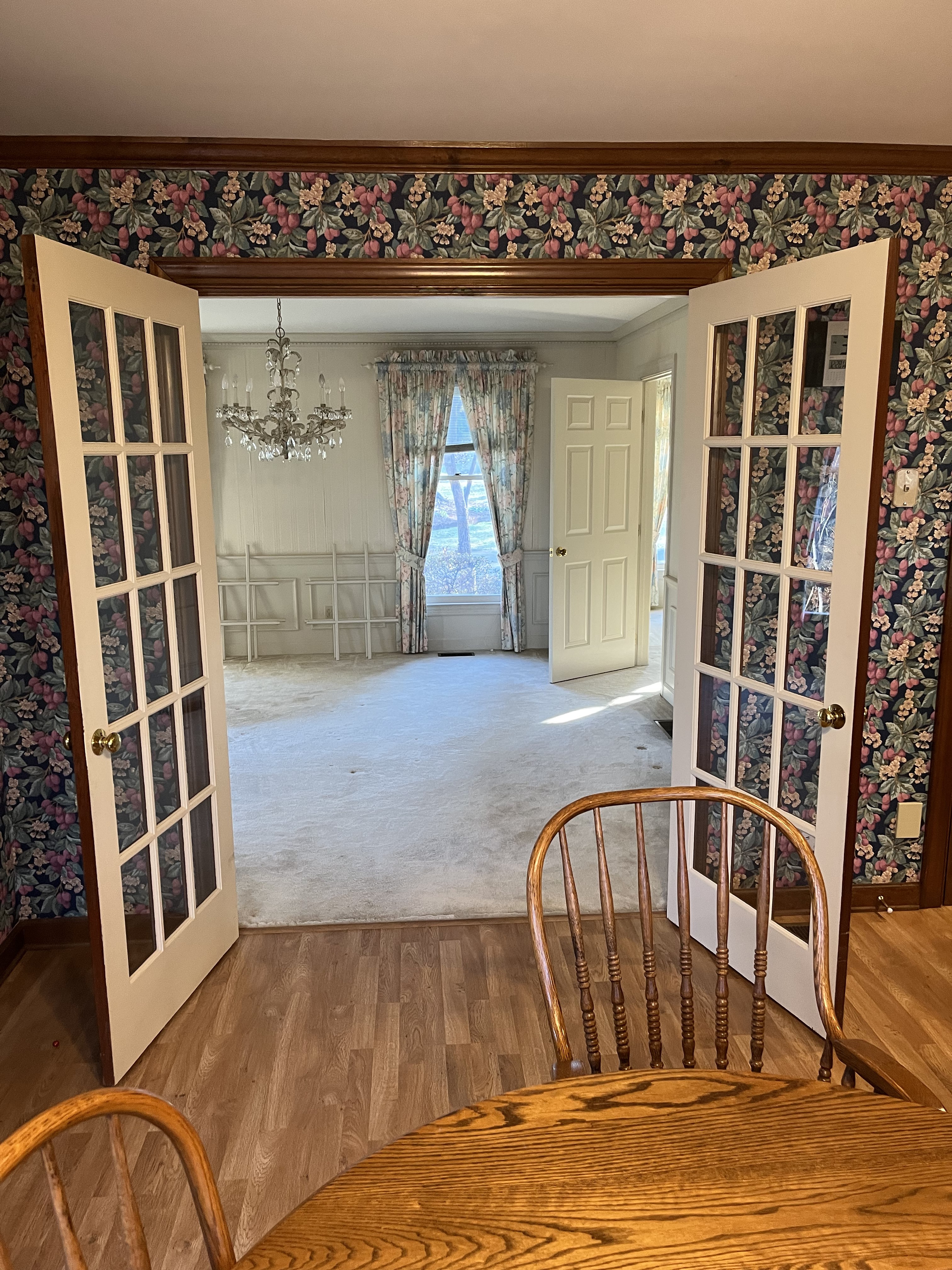
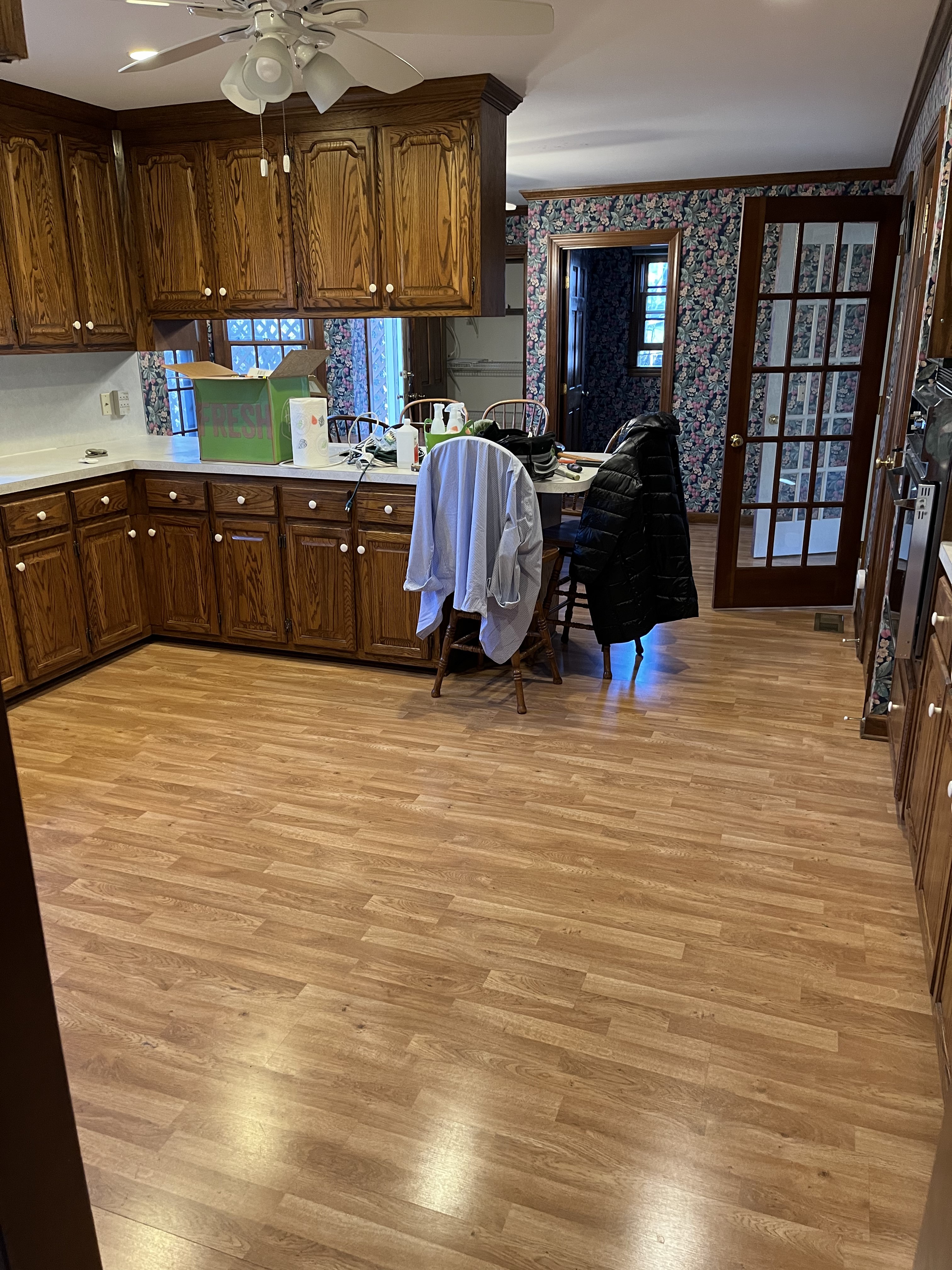
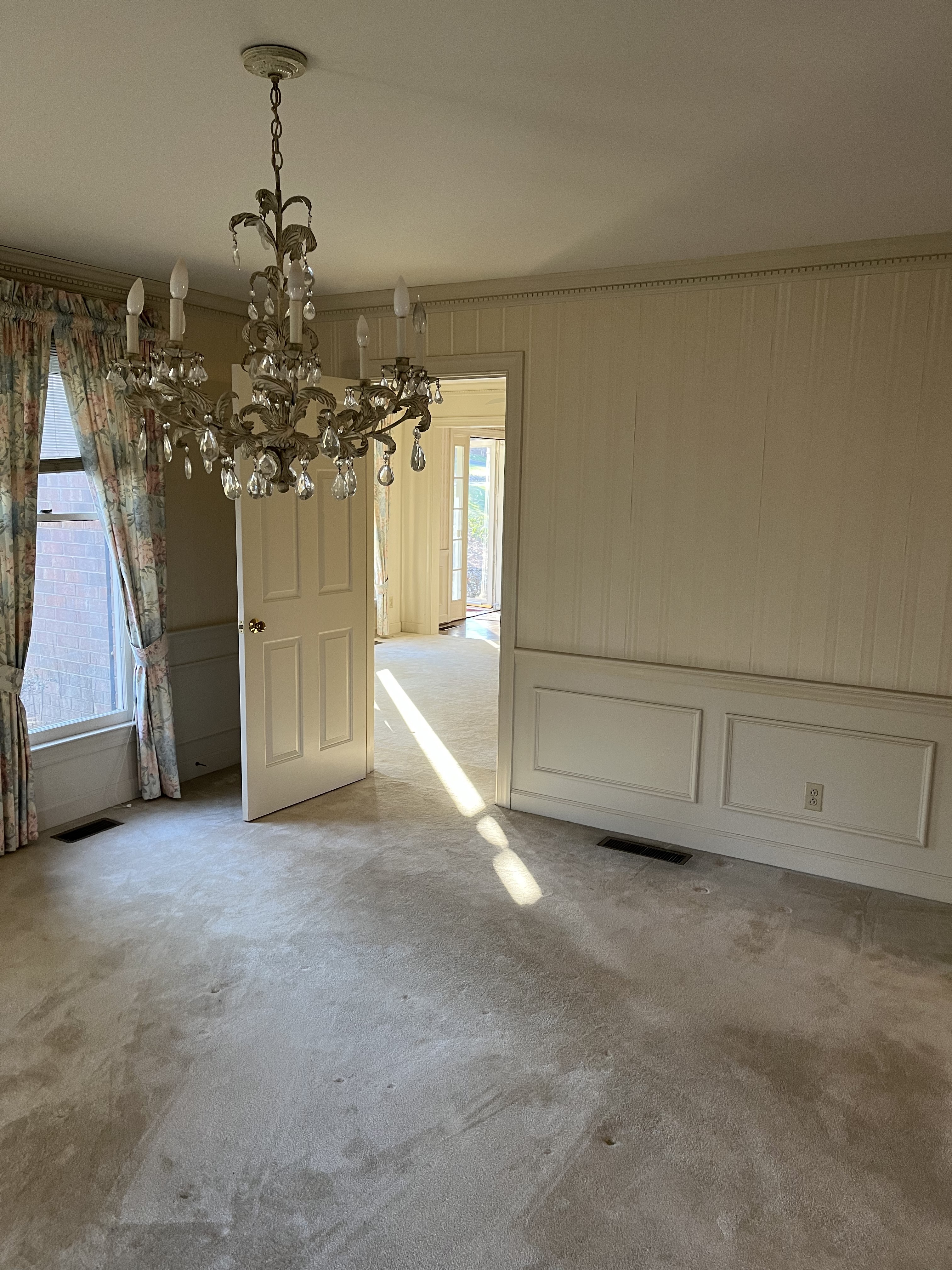
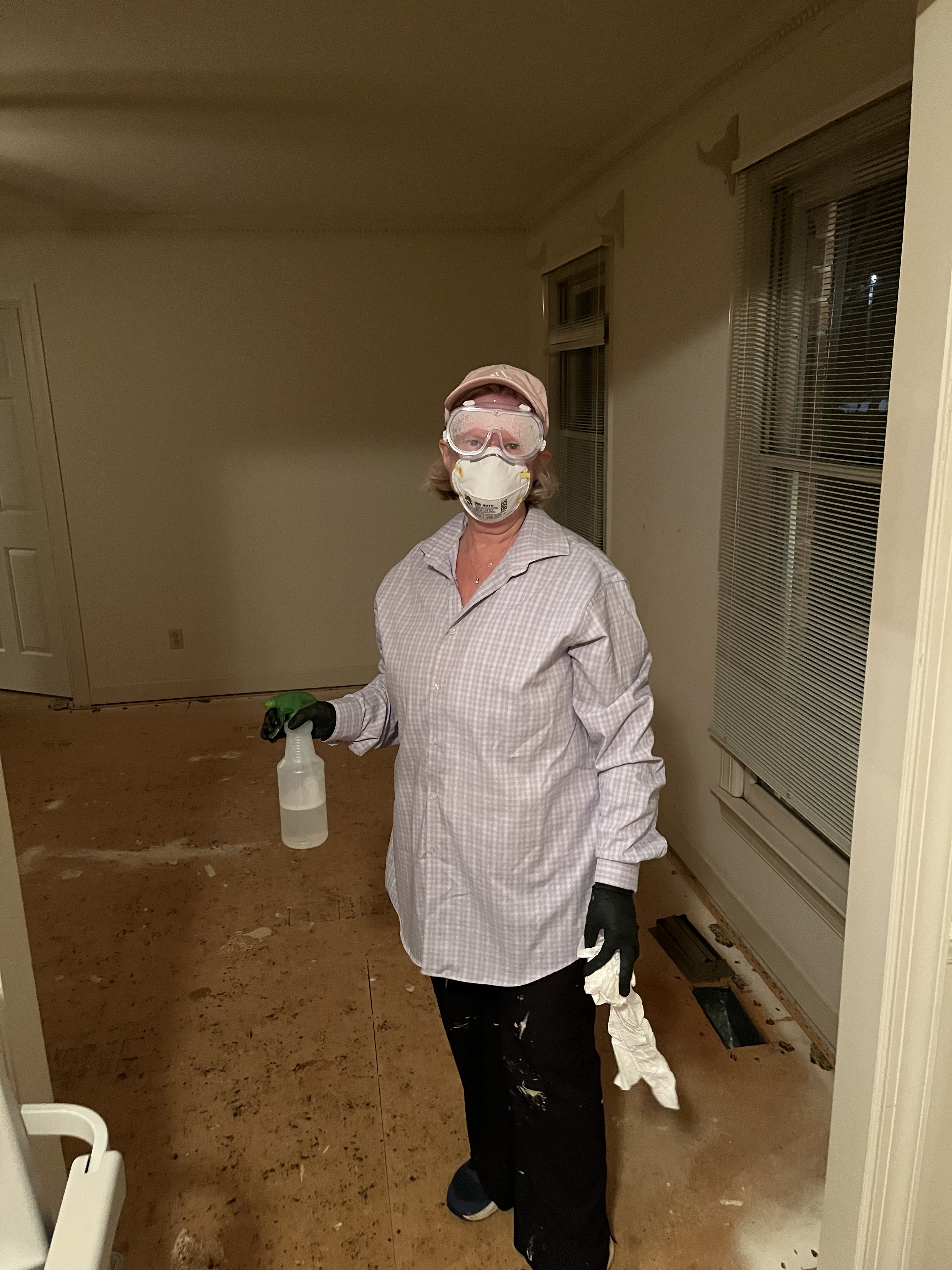
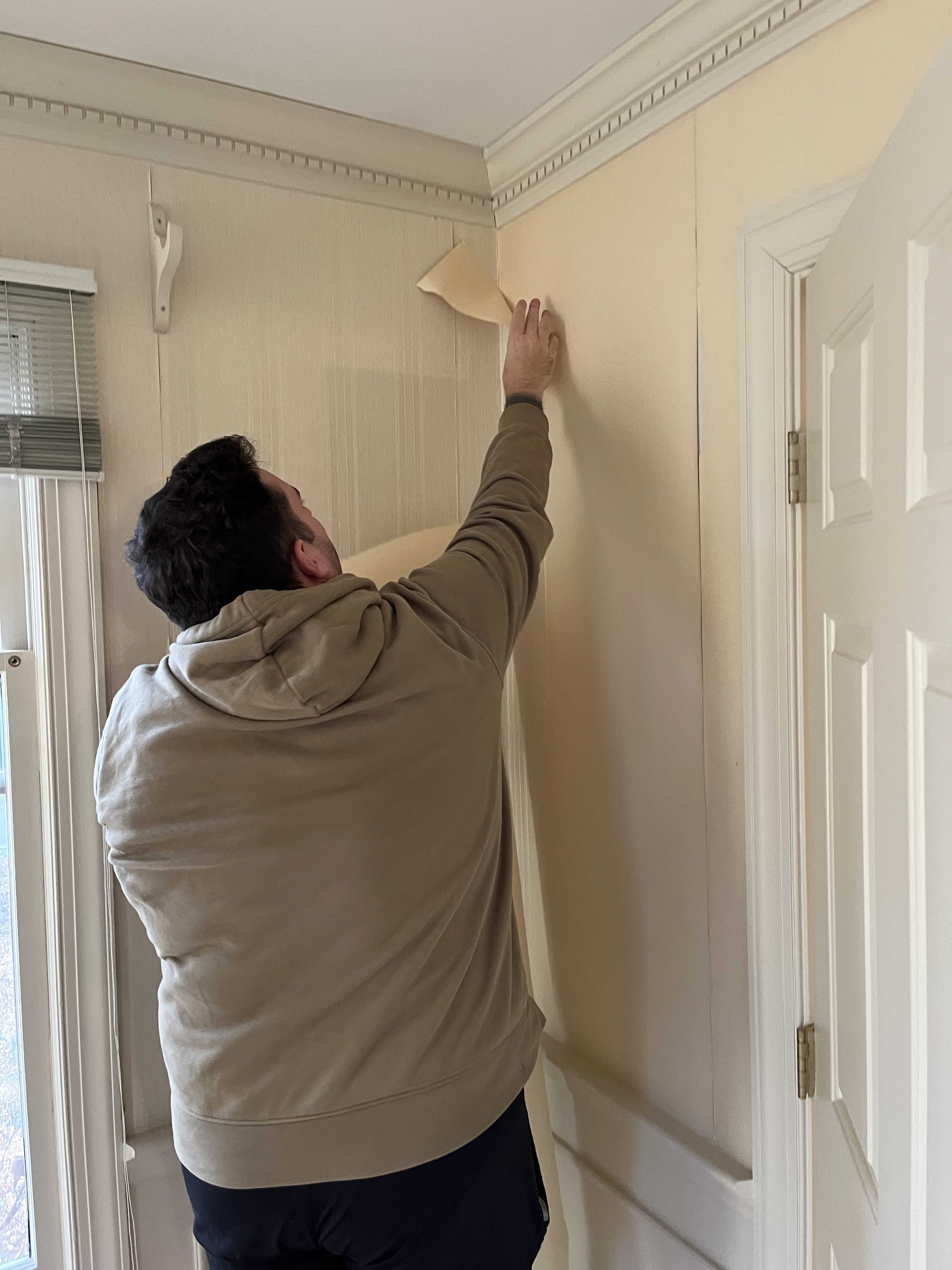
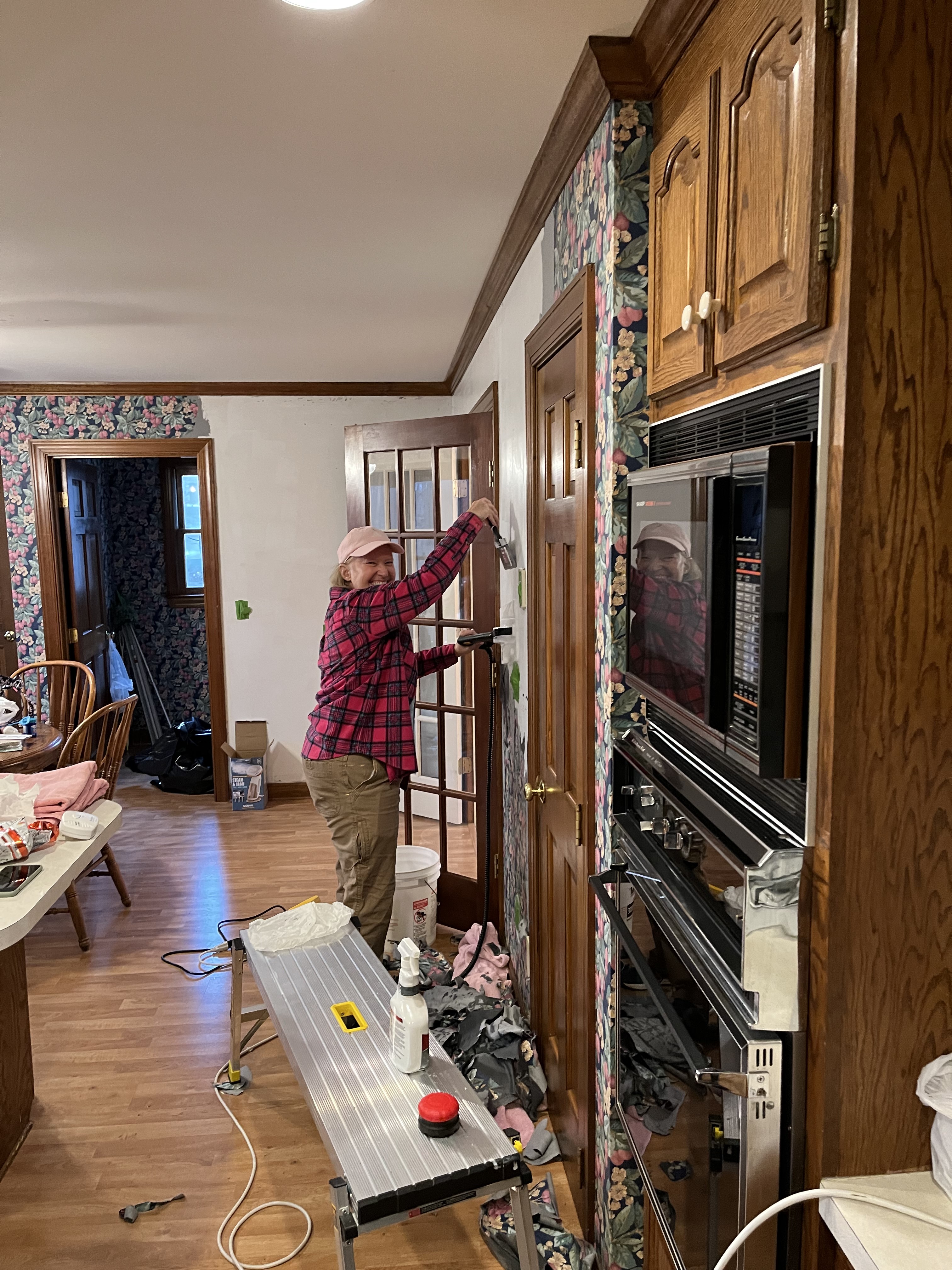
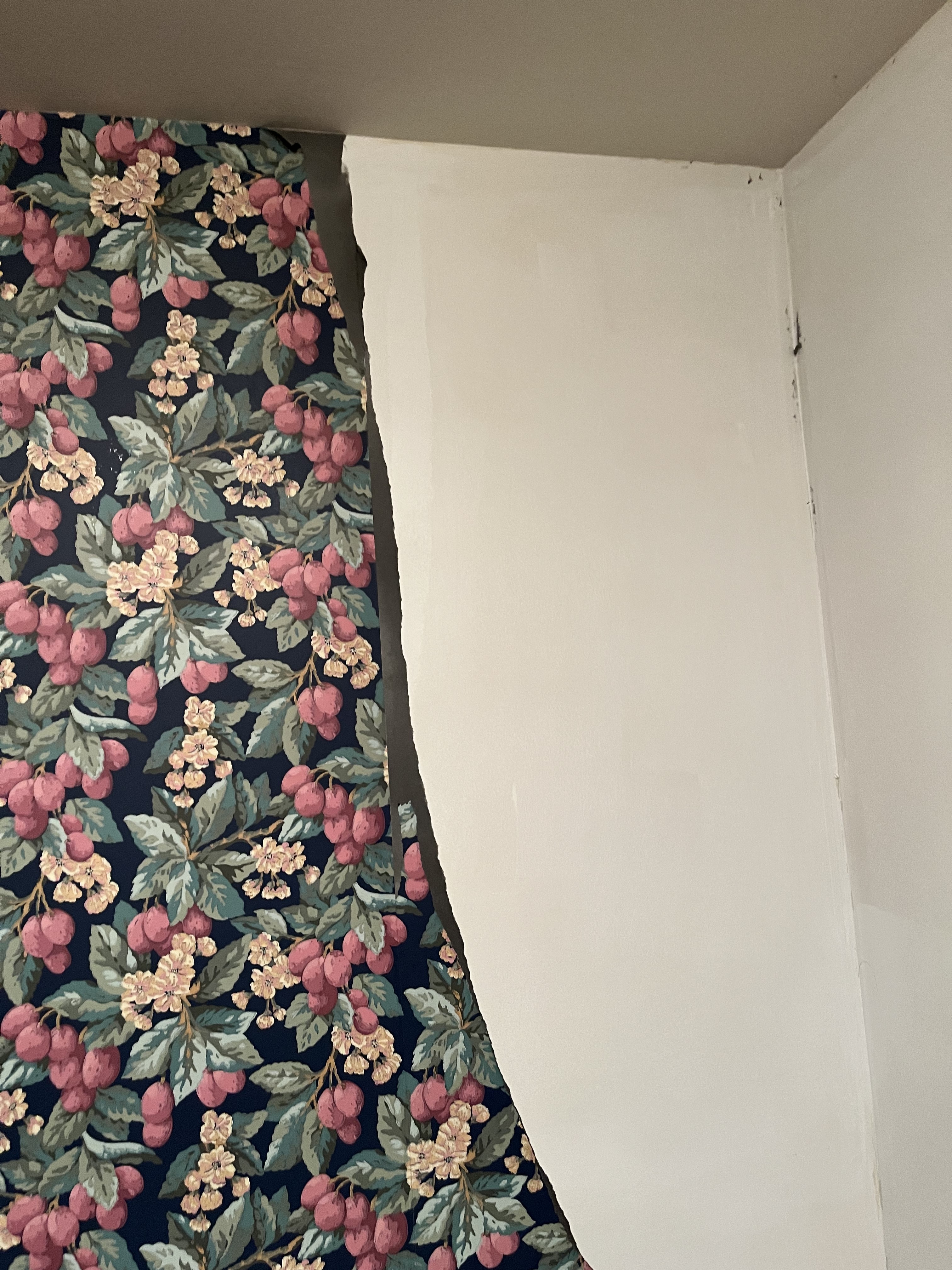
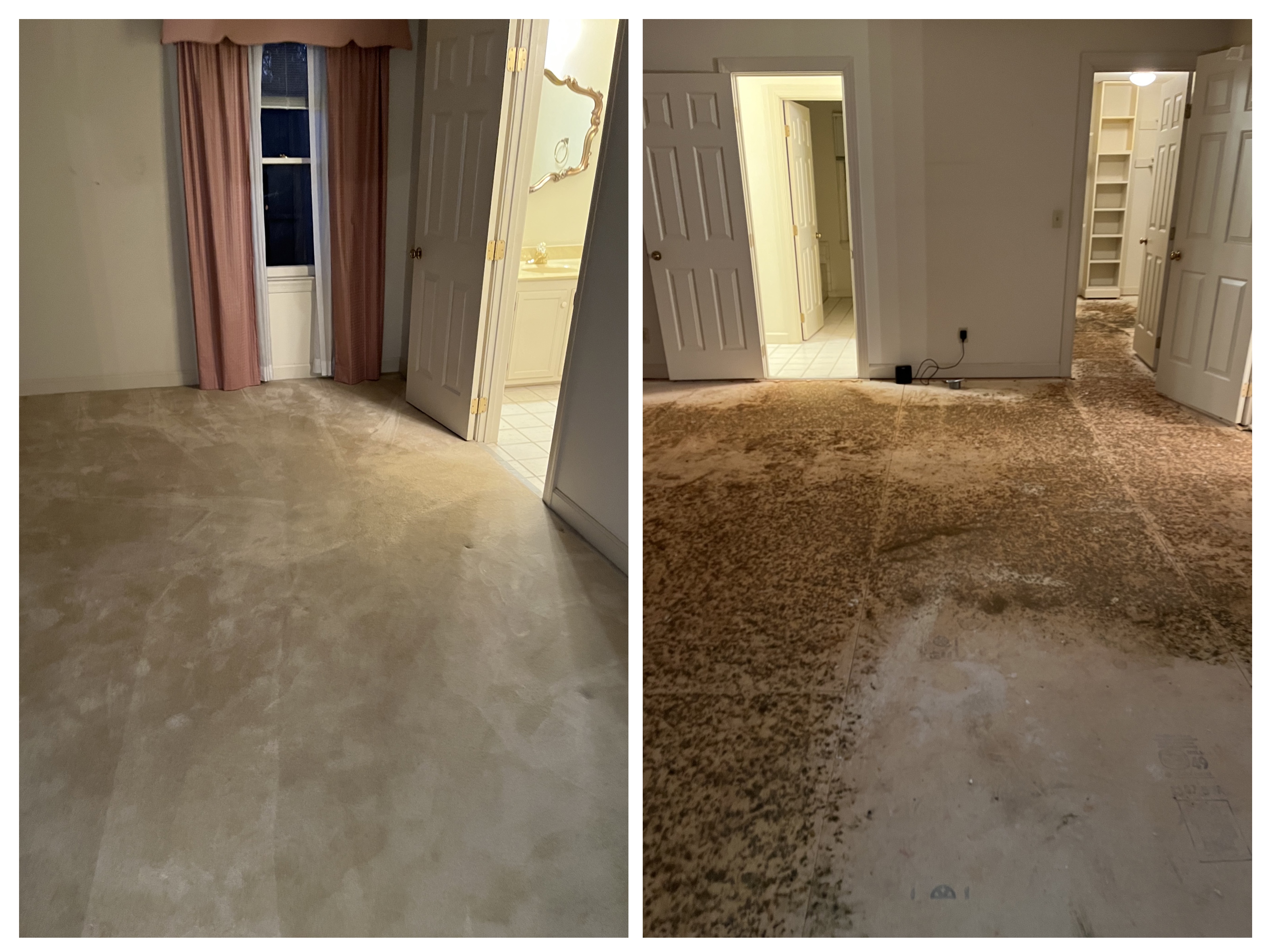
But, as they say, nothing in life is free. This house is also approaching 40 years in age and we bought it from the estate of the original owners who passed away last year. They had not made any updates to the house in at least 25 years so we are spending the next 1-3 months tearing out carpet, stripping wallpaper, getting bids for new flooring, a kitchen upgrade, etc. We’re in the midst of the tearing out part, and I don’t see any reason to pay someone to tear things up when I’m perfectly capable of doing it and actually enjoy that part of the process, but I’m no spring chicken so I’ve been perpetually sore for the last two weeks and probably will continue to be for at least another two.

I’m going to try and remember to document the process here so I have a record of it later in life. To get us started here’s a little photo array of the “before” as well as the early stages of demolition.

Short, Medium, Long Term

Last week (June 20-24, 2022) was a doozy in the U.S. Any other time the US House of Representatives’ January 6 hearings would have dominated the news cycle, but then you had a couple of Supreme Court rulings that rocked the country, the most “rocking” being the Roe v. Wade rollback that was released on Friday. Predictably, and understandably, that ruling led to protests across the country, and thousands, if not millions (billions?) of posts online.

I’m not a constitutional law expert, nor am I a women’s health expert, so I won’t offer any opinions on the merits of the ruling from a legal or medical standpoint. What I do know something about is working in the non-profit sector, with a particular focus on trade associations. That means I’ve spent a fair amount of time representing industries of one kind or another, and providing services to the member companies and their employees, in an effort to promote the growth of the people as individuals, the companies as businesses, and the industries as a body. That’s why, upon hearing the news from the Supreme Court my thinking went immediately to how I would approach the issue if I thought of those who provide women’s health/abortion services as an association (federation model) and women who could/would be patients as members of that association.
(Update: My daughter, who is much smarter than me, actually did a search and found just such an organization does exist. For those so inclined you can visit https://prochoice.org/ for more information).

First I’d do what every association does when confronted with a world-changing moment. That means we’d do an assessment of the situation and immediately begin defining what we need to do short term — think of these as tactical, “can’t wait” activities — then we figure out our medium- and long-term activities. It’s not that we only do the short-term activities from the start, it’s just that they take top priority at the time. Then we do an assessment of the resources needed to accomplish each activity, figure out which ones we can realistically tackle, focus on those and work our butts off to get the resources needed to accomplish them. Again, I’m no expert on the topic of abortion, but based on what I’ve been reading here’s what I see as some of the challenges and how they could be tackled. It’s not intended to be comprehensive – just a collection of thoughts I’ve had over the last few days.

Short Term (first 3-6 months)

Problem: Probably the most critical challenge is for women currently seeking service in states that have “trigger-laws” that immediately made abortions illegal upon the Supreme Court’s ruling, to get access to legal abortions. Some clinics in those states are already working to open operations in other states where it’s legal, but many women don’t have the resources required to travel to those states.
Solution: The association approach would be to fundraise to pay for travel for the women, and provide expertise and the required technology to affiliated local organizations to coordinate the travel of their “members” to clinics in legal states. This program would continue as long as abortion is illegal in any given state.
Problem: In states with trigger laws there could also be an initial fight in the courts about the legality of organizations aiding women seeking abortions in other states.
Solution: The association approach would be to provide on-demand legal services for local organizations or women who find themselves in a court fight. This could potentially be done in partnership with other organizations like the ACLU and Legal Aid.

Medium Term (next 5 years)

Problem: There are a huge number of passionate, energetic people ready to volunteer to fight for this cause. While there are numerous organizations out there that these folks are active through, there is a risk that they could go in multiple directions and not benefit from leveraging their collective resources.
Solution: Creating a federated organization that can pull these disparate groups together to leverage their resources, and organize them so that their work is optimized for maximum effect. It’s a delicate dance because you have to find a way to balance each organization’s unique identity and offerings, while getting them to line up behind a consistent message, political agenda, shared resources, etc. A good example of what I’m thinking is what Feeding America is to food banks, except that group doesn’t have the political challenge that a pro-choice group would have. You’d think this would be a short-term problem, but there’s no way something this complex gets done in a few months so I’d look at this as a medium-term issue.
Problem: States that ban abortions might also try to prevent women from having access to the “Morning After” pill or other therapeutic measures.
Solution: This is a legal and logistical problem. The legal issue could be addressed by an association’s legal operation; the logistical challenge of getting drugs into the hands of women in need could be addressed by teaming clinicians with Pharmacy Benefit Managers (PBMs) or even Mark Cuban’s new venture Cost Plus Drugs.
Problem: As far as I can tell there is not a strong legal framework that requires men to assume their share of the responsibility, financial and otherwise, for unintended pregnancies.
Solution 1: The association could create, and fundraise for, a cadre of lawyers to represent women in civil court, to require men to pay for pre-natal care, half (at least) of any of the mother’s related health care expenses, child support, etc. Those same lawyers can represent mother’s in any custody hearings. Again, this might be accomplished by partnering with ACLU, Legal Aid, etc.
Solution 1a: Before you beat me up about the atrocious history of men paying child support, another step the association should take is lobbying Congress and/or state legislatures to make sure these payments can be garnished from wages, that mother’s are first in line at any bankruptcy hearing, etc.

Long Term (foreseeable future)

Problem: With the Supreme Court’s ruling a woman’s access to abortions has become contingent on individual states’ laws. That means that women with limited resources living in states that ban abortions will not have equitable access to care that residents of other states, or women of more means in their own states, have.
Solution: This is a purely political challenge. The association will need to form and lead a long-term political operation that brings together stakeholders at all levels, local, state, and federal to effect the necessary changes to give women equal care no matter where they live. I’m not expert enough to say what the legal remedies are, but no matter what they are there will need to be a significant political shift to accomplish them. That will take long-term funding, coordination and will.

Obviously this outline is pretty simplistic, and unlike industry associations that have a relatively easy to define “membership”, the players in the pro-choice world are far more varied. Believe it or not, however, most industry associations have a fairly diverse constituency and often struggle to get members to agree to how to approach issues, what to prioritize with their political operations, where to concentrate their resources, etc. The same challenge will most definitely be faced by any pro-choice “association”, but the benefit that industry associations provide their members – political influence, shared knowledge base, leveraged legal representation, leveraged resources (particularly technology), a bigger messaging megaphone, volunteer recruitment and management – would be realized by women if a pro-choice association approach is taken.

Fixer-Upper Chapter 1: Housing Sits at the Intersection of Several Complex Systems

The first chapter of Fixer-Upper serves as a prelude to set up the rest of the book, but there are a few good takeaways. My favorite is the criteria Jenny Schuetz provides in “What does a well-functioning housing system look like?”:

  • Housing supply should be reasonably responsive to demand.
  • Within a metropolitan area some new housing should be added in the neighborhoods with highest demand, where people most want to live.
  • Markets should provide a diverse set of housing choices that match household budgets and preferences.
  • Regardless of income, all people can afford decent quality, stable housing in healthy communities.

Back to main Fixer Upper post.

Link to Chapter 2 of Fixxer-Upper Post.

Link to Chapter 3 of Fixer-Upper post.

Link to Chapter 4 of Fixer-Upper post.

Link to Chapter 5 of Fixer-Upper post.

1NT: COVID and Hunger

The following is from Feeding America’s research on the impact of COVID on food insecurity in America:

Before the COVID-19 crisis began, food insecurity in the US was the lowest it had been in more than 20 years, and yet 35.2 million people, including 10.7 million children, were food insecure.

The current crisis is likely to reverse the improvements that have occurred over the past decade as millions of people are newly experiencing food insecurity, alongside those who were experiencing food insecurity before the COVID-19 crisis began. Nationally, more than 50 million people, including 17 million children, may experience food insecurity in 2020 because of COVID-19.

FYI, here in North Carolina the food insecurity rate is predicted to reach 17.6%.

Sobering

For the day job, I get to see lots of reports and data, particularly as it relates to housing. It was one of those reports that had a link to the US Census Household Pulse Survey pageand let me tell you that you’ll find some sobering statistics there about the impact of COVID-19. The survey has been conducted weekly since March 13, 2020, and below are select numbers from week 12, the most recent week available:

Employment Income – Percentage of households that had experienced a loss of employment income:
United States: 51.1%
North Carolina: 45.7%

Expected Loss in Employment Income – Percentage of adults who expect someone in their household to have a loss in employment income in the next 4 weeks:
United States: 35.2%
North Carolina: 29.0%

Food Scarcity- Percentage of adults in households where there was either sometimes or often not enough to eat in the last 7 days:
United States: 12.1%
North Carolina: 11.8%

Delayed Medical Care  Percentage of adults who delayed getting medical care because of the COVID-19 pandemic in the last 4 weeks.
United States: 40.1%
North Carolina: 33.9%

Housing Insecurity – Percentage of adults who missed last month’s rent or mortgage payment, or who have slight or no confidence that their household can pay next month’s rent or mortgage on time.
United States: 26.5%
North Carolina: 23.0%

K-12 Educational Changes – Percentage of adults in households with children in public or private school, where classes were taught in a distance learning format, or changed in some other way.
United States: 99.4%
North Carolina: 99.7%


Five Fact Friday #15

Five random facts for Friday:

As many as 1 billion wild animals are killed by vehicles each year, about 200 million creatures’ lives would be spared annually. – Washington Post

Compared with teetotalers, those with “moderate” drinking habits – classified as up to eight drinks a week for women and fewer than 15 for men – had higher cognition scores in all three areas. They also had significantly lower rates of mental decline. The Week

63% of small business owners say less than 75% of their revenue before the pandemic started has returned. – Axios

Some rats that miss feasting on the scraps are becoming increasingly brazen to find new food sources. Since the start of the pandemic, there have been increased reports of rat cannibalism and infanticide in New York, as well as more rat complaints in residential areas — including in Chicago — as humans produce more food waste at home. – Washington Post

Annual healthcare spending in the US (2018) is $8,949 per capita; military spending is $1,985 per capita- Visual Capitalist